New Materialism
Summary
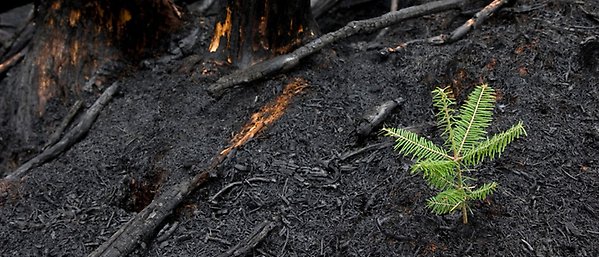
In the not-so-distant past, much of the humanities and social sciences treated the material world – the stuff of rocks, rivers, bones, and buildings – as passive scenery. Nature was the backdrop. Humans were the actors. We built, interpreted, imagined, and destroyed, while the world around us mostly reacted, inert and voiceless. But what if matter matters more than we thought?
Emerging in the early 2000s, but drawing from a much older lineage of thinkers – including Lucretius, Spinoza, Nietzsche, Marx, Deleuze, and others – new materialism has evolved into a rich and dynamic theoretical movement across fields such as philosophy, anthropology, geography, feminist theory, science studies, and literary criticism. Among its key proponents are influential thinkers such as Donna Haraway, Jane Bennett, and Bruno Latour.
At its heart, new materialism invites us to see the world as alive with forces and agencies that exceed a human-centric perspective. We live in a more-than-human world, so to speak. This insight is meant to shift our thinking about the world away from a purely human affair to recognising how nonhuman entities – animals, microbes, plants, machines, weather systems, infrastructures, as well as many other things – actively participate in co-shaping earthly existence (Coole and Frost 2010).